The Comment Section Is the New Storefront—and Your Bio Link Is Collecting Dust
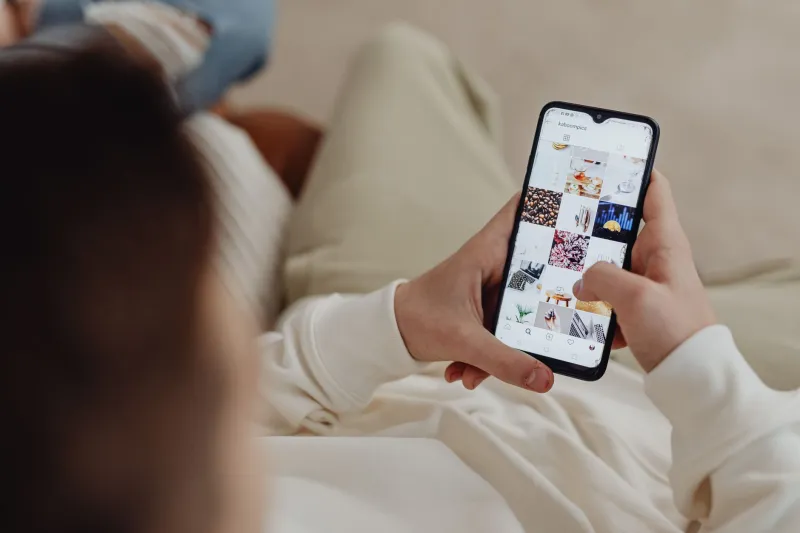
For years, the 'link in bio' was the internet's most polite dead end. You saw a good post, tapped the profile, scrolled past a quote about consistency, and found a Linktree with nine options and the visual hierarchy of a DMV form. In 2026, creators are skipping that whole journey. The new call to action is lower, louder, and harder to ignore: the link in the comment.
The Bio Was a Filing Cabinet. The Comments Are a Treasure Map.
Scroll through TikTok, Instagram, or X for ten minutes and you will see the pattern. A creator pins a comment that says 'recipe link below' or 'the full story is in the replies.' A local bakery drops its catering menu under a video of a croissant being slapped. A news account posts a one-line summary and puts the source link in the first reply, like a librarian who has given up on the front desk. Some accounts do not even ask for a click. They ask for a comment: 'Comment SHOP and I will DM you the link.' At that point, the comment section is not a discussion. It is a QVC segment with worse lighting and better jokes.
Users have adapted. We now scroll comments looking for the pinned link the way people used to scan a mall directory. We reply 'link?' and wait like we are summoning a password. We screenshot comments because we do not trust the algorithm to show us the same thread twice. The comment section has become a storefront, a citation desk, and a group project all at once. The bio, meanwhile, is a museum plaque: technically informative, rarely visited.
Why the Front Door Moved Downstairs
The shift makes sense. Bios are static. They are buried behind a tap, truncated on mobile, and about as trustworthy as a gym's 'no judgment' sign. Comments are contextual. They appear exactly where interest already exists, which is the whole ballgame for discovery. If someone is watching a video about a $12 lip gloss, the comment link is not an ad. It is the next sentence. That proximity is why platforms are nudging creators toward comment-level calls to action—and why brands are quietly rewriting their social playbooks.
There is also a measurement story. A comment link can be tied to a specific post, a specific moment, a specific joke. A bio link is a catch-all bucket. For creators and small businesses, the comment link feels less like a billboard and more like a handshake. For brands, it is a way to turn passive scrolling into a measurable action without saying 'shop now' in a voice that sounds like a press release written by a committee.
The catch is that comment sections were never designed to be checkout lanes. They are messy, emotional, and prone to derailment. Pin one link and you invite fifty replies asking where the link went. Pin nothing and you get the same question anyway. Add automation—comment 'GUIDE' and receive a DM—and you have created a tiny customer service desk inside a food fight. It works, but it is not elegant. It is the digital equivalent of putting the cash register next to the sample table at Costco. People will buy, but someone has to keep wiping the counter.
The New Etiquette of Scrolling
We are all making up the rules in real time. The first rule: pin the link, do not spam it. A single pinned comment is signage. The same link pasted under every reply is a guy handing out flyers outside a subway station. The second rule: do not make people perform enthusiasm for access. 'Comment YES if you want the link' is a permission slip disguised as engagement. It works, but it makes the comment section feel like a focus group with a bouncer.
The third rule: if you are a brand, act like a host, not a trapdoor. A comment link should answer a question someone actually asked. It should not be a coupon code hidden behind a riddle. And it absolutely should not be a DM automation that sends three follow-ups before the person has finished reading the first one. The charm of the comment link is that it feels discovered. The moment it feels demanded, the treasure map becomes a timeshare pitch.
There is also a moderation problem nobody wants to talk about. Comment links are a gift to scammers, impersonators, and anyone selling a 'growth course' with a stock photo of a laptop on a beach. Platforms can label and filter some of it, but the comment section is still the internet's least supervised hallway. Creators and brands need to treat pinned links like public statements, because they are.
What It Means for Discovery and Money
The comment link changes discovery in a subtle way: it makes the audience part of the distribution. When someone asks 'link?' and a creator replies, that reply bumps the线程. When a fan answers before the creator does, the whole thing becomes a scavenger hunt with social proof. It is messy, but it is also more human than a bio link that has not been updated since the last product launch.
For monetization, the message is simple: the front door is wherever attention already is. That might be a pinned comment, a reply, a DM keyword, or a Story sticker. The bio is not dead, exactly. It is just no longer the main entrance. It is the coat check. The real party is three comments down, under a question about the song.
So go ahead and keep your link in bio. It can stay there, collecting dust like a treadmill in January. Just do not be surprised when the crowd walks past it and starts typing 'LINK' into the comments like they are trying to unlock a safe. The internet has moved the front door. We are all just standing in the hallway, pretending we knew where it was the whole time.